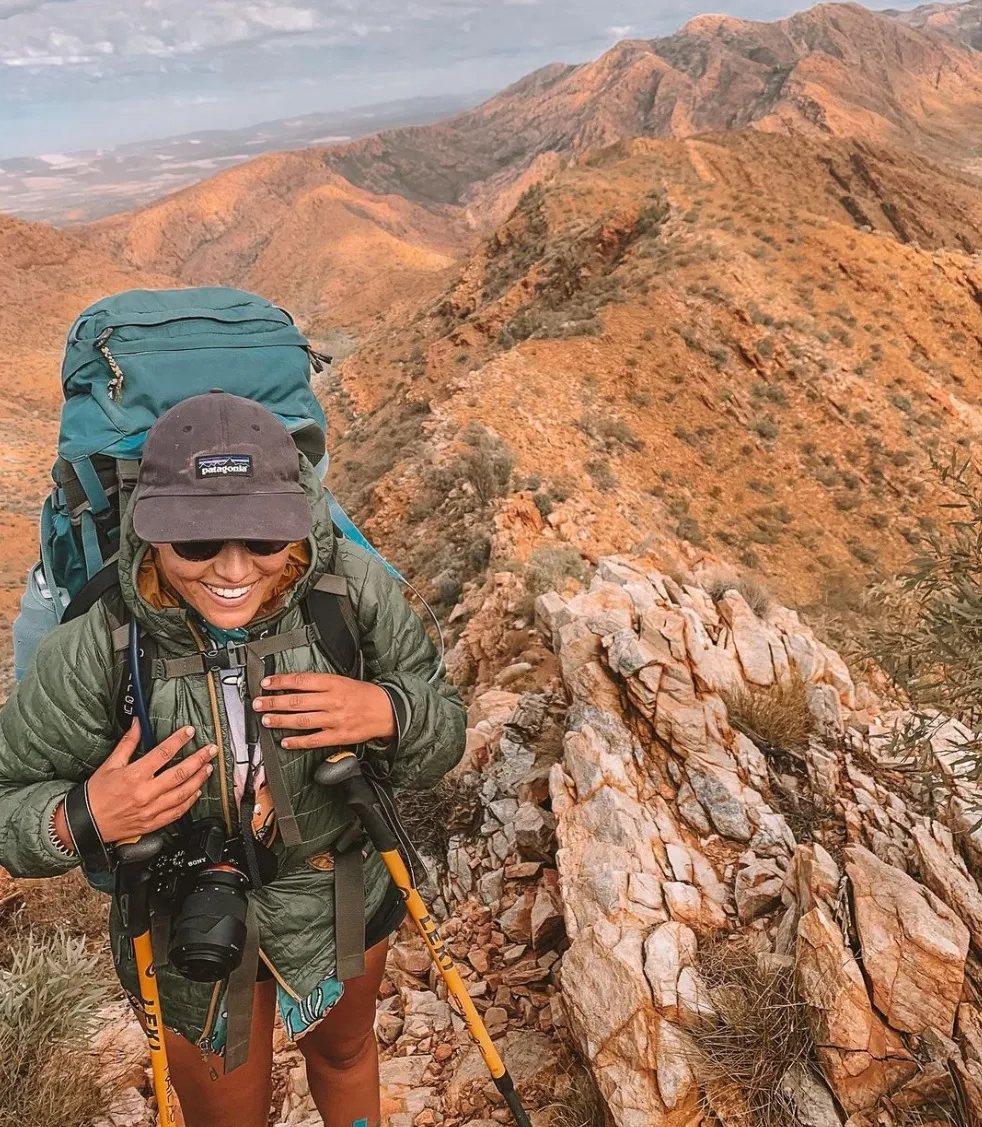
For many outdoor enthusiasts, the Larapinta Trail is a lifelong dream. This 230km trail through the heart of the Northern Territory in Australia is the ultimate outback experience. Whether you’re an experienced hiker or a beginner adventurer, there are many things to consider when planning your walk to make it safe and enjoyable. This guide has everything you need to plan your Larapinta Trail adventure, whether you’re a beginner or an expert, from preparation tips, essential gear, logistics and more.
Why Hike the Larapinta Trail?
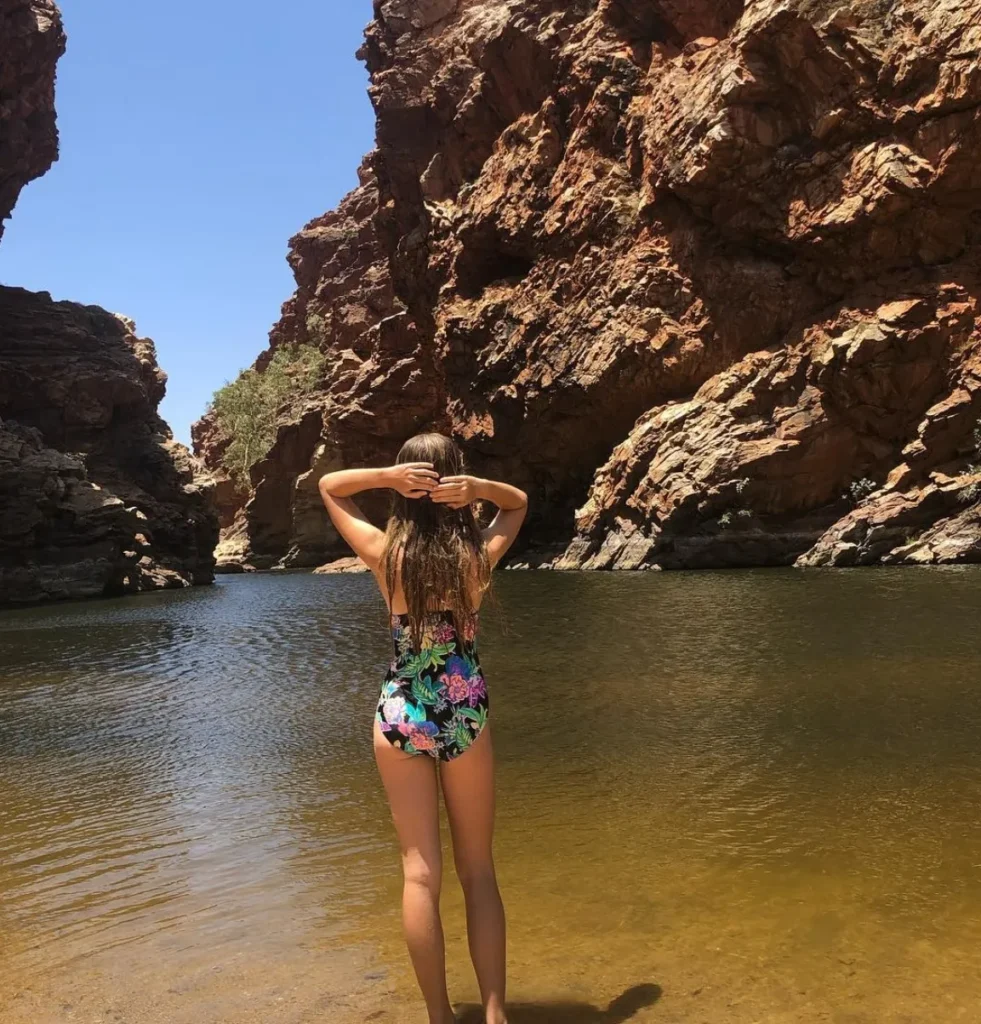
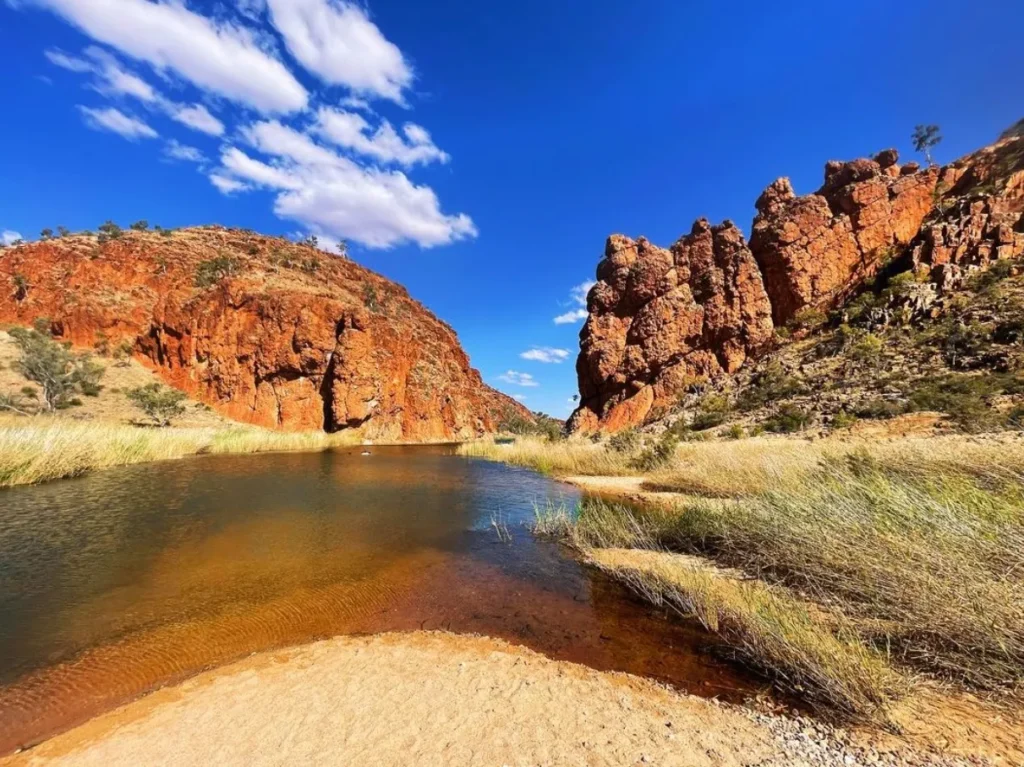
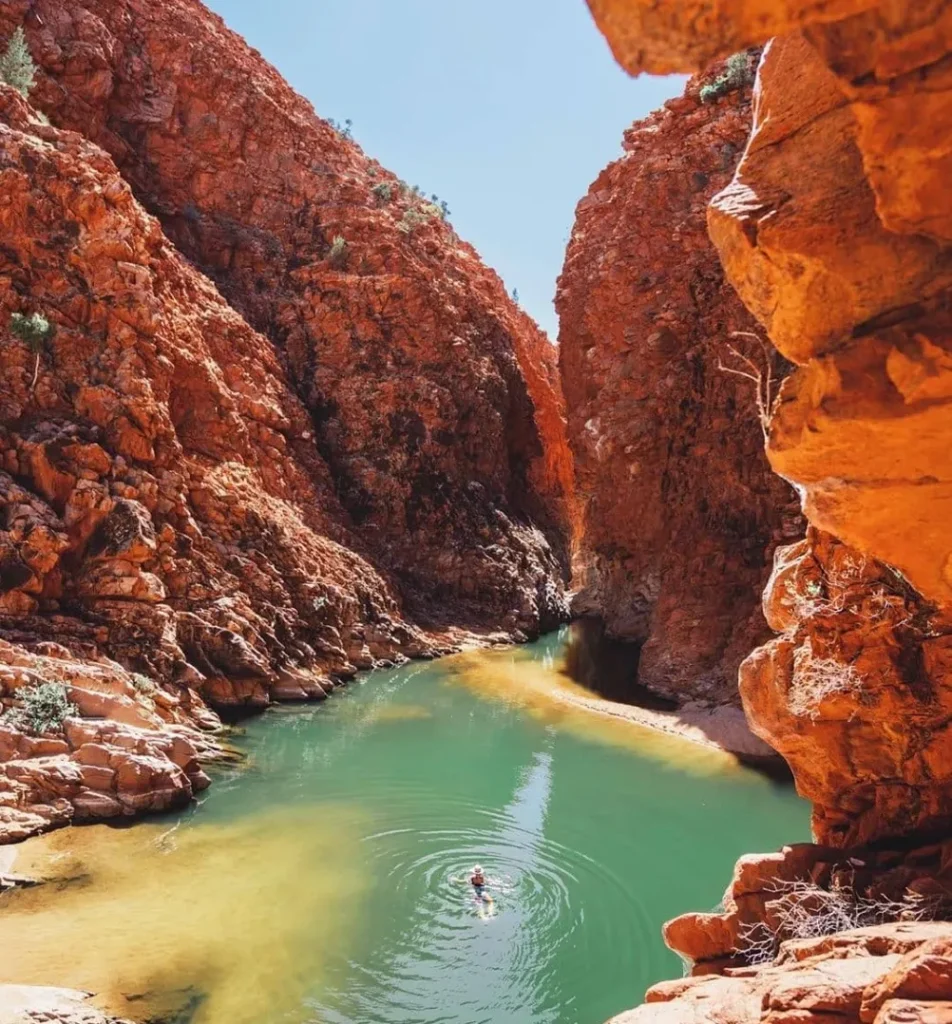
It’s unbeatable. The West MacDonnell Range’s ruggedness comes alive with spectacular rock formations and ancient aboriginal rock art surrounded by pristine waterholes like Glen Helen Gorge and Ellery Creek Big Hole. By hiking the Larapinta Trail, you get to connect with Australia’s Outback and its history and scenery. Some of these include Ormiston Gorge, Serpentine Gorge, and Redbank Gorge, which have pretty moments and some tough bits like Razorback Ridge and Euro Ridge. It’s more than just a physical challenge; it’s a visually stunning world.
The trail has different landscape types, including rocky and uneven ground with tough bits like Razorback Ridge and Counts Point. Because of the track’s varied topography and extreme weather, it’s a real adventure. There are also places like Inarlanga Pass or Simpsons Gap where you can have great views or unique experiences.
How Fit Are You?
You need to assess your current fitness level before you start the Larapinta Trail. The trail has different difficulty levels, so Euro Ridge and Hugh Gorge are the parts that will take the most out of someone physically. Check your endurance, physical strength and general health to see which bits you can manage. Consider the following:
- Long Distance Hiking Experience: Have you ever done a long hike? The Larapinta Trail has different levels of difficulty from easy to hard.
- Ability to Walk Rough Terrain: The track is rocky, uneven and hilly. Can you walk on hard ground and withstand the physical demands of the trail?
- Endurance to Carry a Day Pack: You’ll need a water bottle, food and a guide pack. Build up your stamina and strength by doing long day hikes.
Training Plan
For the Larapinta Trail, you need to train for endurance, strength and flexibility.
- Cardiovascular Exercises: Running, cycling or swimming are some of the activities that build cardiovascular endurance. Do at least 30 minutes of moderate-to-intense cardio exercises five times weekly.
- Strength Training: Among other things like squats, lunges, planks strengthen leg muscles and core exercises are important. Also do resistance training as this increases overall body fitness hence readying one for mountainous regions.
- Flexibility and Balance: Regular practice of yoga postures or stretching makes us more flexible ,and enhances our balance which is key when navigating over rock surfaces or going across an area with unsteady ground.
- Hiking Practice: Regular hikes with a loaded day pack simulate trail conditions, improving hiking fitness and gradually increasing hiking distances and challenges
Preparation and Training for the Larapinta Trail
Getting ready and training are important to a successful hike. Begin your preparations several months before, including long walks with a day bag to mimic trail conditions. Walk with heavy bags on your back as well as weight training for enhanced strength. Get familiar with the trail and the different terrains that you will pass. Preparation essentials also include how fit one should be, having the right equipment and managing harsh weather conditions. Joining groups or clubs such as Fitness Adventures or Women’s Fitness Adventures might be worth considering.
Must Haves and Packing List
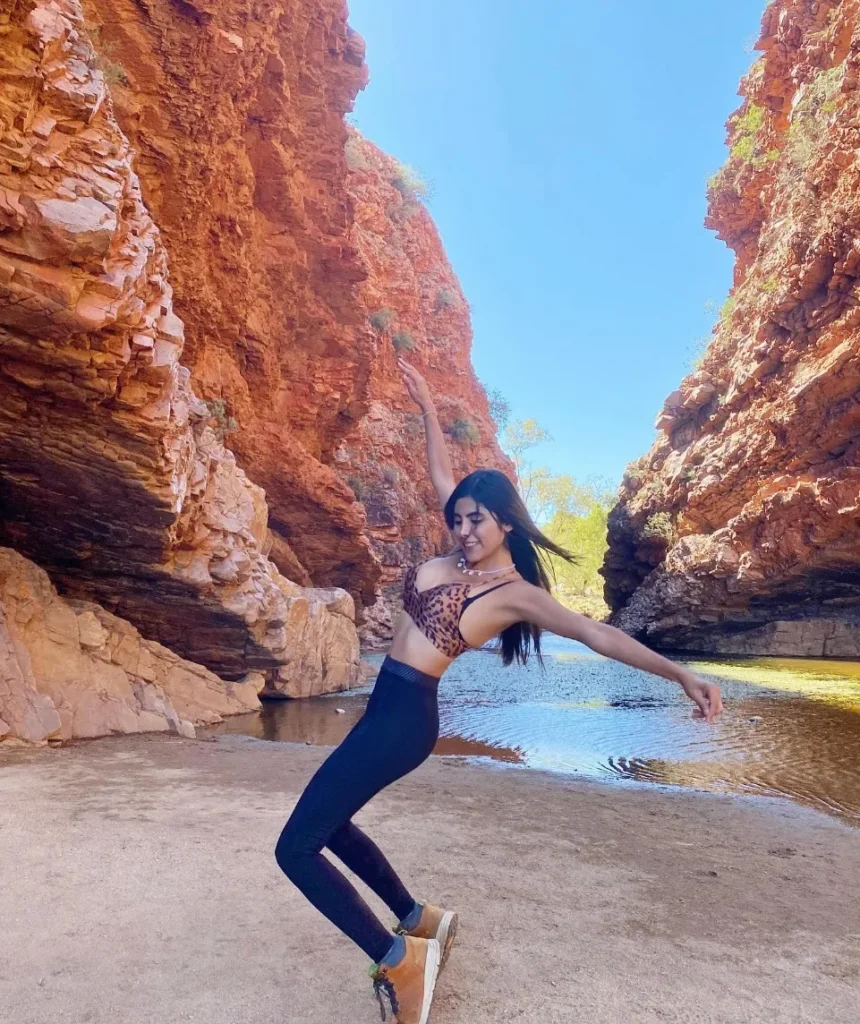
The right gear is key to a successful hike. Your packing list should include:
- Day Pack: Water, snacks, first aid kit etc. You may also need a guide pack if you want to trek for longer distances.
- Water: Carry at least 2 litres of water per person per day. Some campsites have water tanks, but it’s always better to carry extra ones.
- Food: Carry non-perishable food from home that suits your diet requirements while on the track; especially when hiking long sections of the trail, consider doing a food drop.
- Clothing: Wear layers of clothes according to the weather changes during trekking days. Wear a hat, sunglasses and sunscreen to prevent sunburn
- Safety Items: Take along map, compasses and emergency contacts details in case something goes wrong leaving room for emergency evacuation or medical assistance. Make sure you are covered by travel insurance policies.
Best Time to Hike the Larapinta Trail
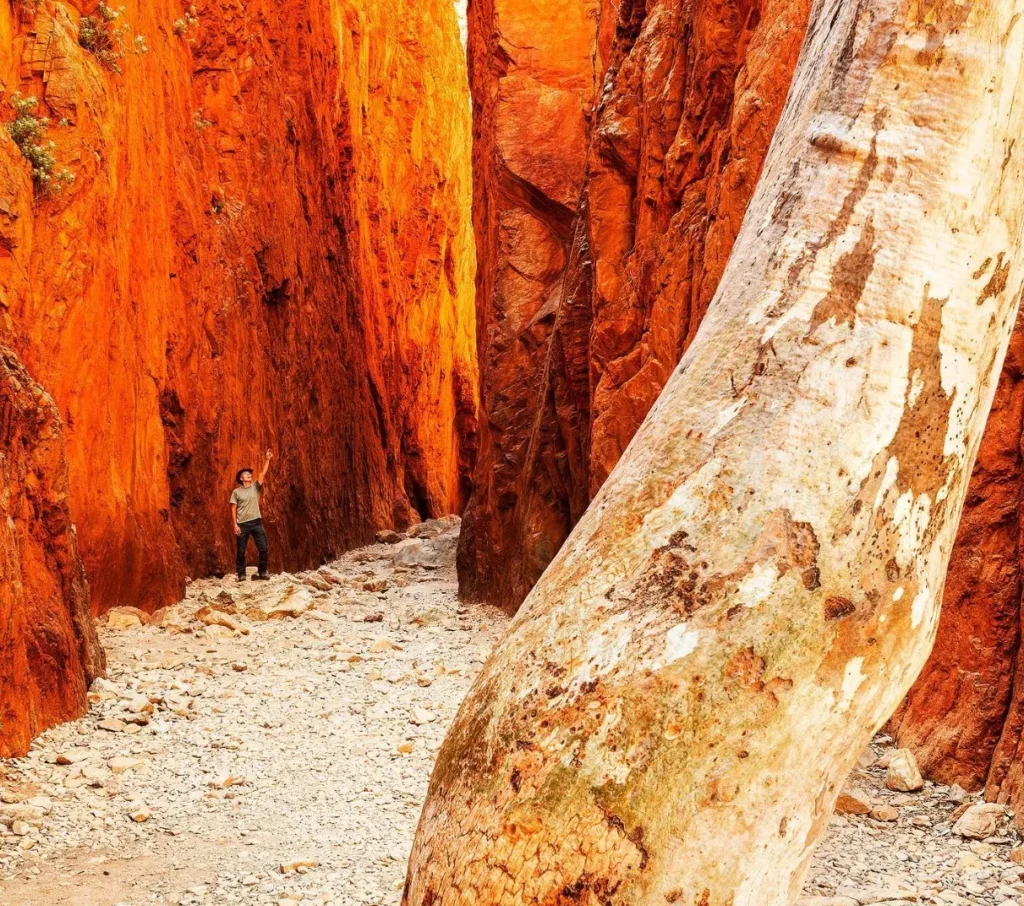
This makes a big difference when hiking the Larapinta Trail. Here’s what each season looks like:
Autumn (April – May)
The best time to do the Larapinta walk is autumn because it’s cool compared to other seasons, and there is less chance of extreme weather happening at that time of year, as well as comfortable hiking conditions and beautiful views.
Winter (June – August)
Winter is the best time to hike the Larapinta Trail because of its calm and clear skies. This is the busiest time of year so book in advance, nights can be cold so make sure you have the right cold weather gear.
Spring (September)
In spring, the temperatures start to warm up; there are flowers blooming, which makes it a great time to hike. But remember this won’t be as predictable as the previous two seasons since they will be warmer days and colder nights.
Summer (December – February)
This is the hottest and most difficult time to hike due to extreme heat and possible bad weather. If you go during this time expect high temperatures, bring lots of water (litres of water) and consider changing your hike to early morning or late arvo.
Transport and Logistics
Flights & Accommodation: Book flights to Alice Springs and sort out accommodation before arrival at the venues like Mercure Alice Springs Resort and other accommodation in the area; if you’re with someone else then twin share rooms will be suitable for you.
- Public Transport: Use public transport or shuttle services to get to trailheads and between sections of the trail.
- Luggage Transport: Some trekking companies may transfer your luggage from one place of stay to another. Check if these services are offered by the company who is organizing your Larapinta trail tour.
Sections of the Larapinta Trail
The Larapinta Track has been broken into sections, each with its own characteristics:
- Alice Springs Telegraph Station to Simpsons Gap: Easy trails to get you started.
- Simpsons Gap to Ormiston Gorge: Rough bits where walking will be harder.
- Ormiston Gorge to Redbank Gorge: Varying terrain and views.
- Redbank Gorge to Glen Helen Gorge: Big elevation changes and views.
- Glen Helen Gorge to Serpentine Gorge: Remote and tough with great scenery.
- Serpentine Gorge to Ellery Creek: Varied terrain and swimming holes.
- Ellery Creek to Jay Creek: Remote and beautiful.
- Jay Creek to Euro Ridge: Hard climbs and great views.
- Euro Ridge to Inarlanga Pass: One of the toughest sections of the trail.
Conclusion
You need to plan carefully to go on Larapinta Trail; from assessing your fitness level to choosing your gear. Choosing the right time to hike, understanding the trail conditions and making travel arrangements are ways to have successful and enjoyable treks. With good planning and support Larapinta Trail will deliver a rewarding experience with stunning landscapes, cultural richness and personal achievement.
FAQ
When to walk the Larapinta Trail?
Autumn or winter is the best time to walk this trail as it will be cooler than the other seasons. Spring has good weather and summer is very hot.
How much water should I carry when walking the Larapinta Track?
Take at least 2 litres/person/day. Check if there are any tank refills along the way before you pack.
How fit do I need to be for the Larapinta Trail?
Fitness requirements vary across different sections of the trail. Razorback Ridge and Counts Point are particularly tough, so make sure you can handle them before you start hiking.
What to pack for the Larapinta Trail?
Daypack, water, nonperishable food, layered clothing, hat, sunglasses, sunscreen and safety items like maps and first aid kit. Don’t forget guide packs on longer treks and travel insurance.
How do I get to the Larapinta Trail and accommodation?
Book your flight to Alice Springs in advance and book your accommodation. You can choose between Mercure Alice Springs Resort or guesthouses in town. Public transport or shuttle services will get you to the trailheads and luggage transfer services if needed.